Feast or Famine Diet: Unlock Fat Burning and Cellular Healing Naturally
If you feel stuck in your health or weight loss journey, the issue may not be what you're eating—but how consistently you're eating the same way.
Your body is designed for change.
The feast or famine diet, also known as diet variation, taps into this natural design by cycling between periods of eating and fasting. This rhythm supports fat burning, hormone balance, and deep cellular healing.
What Is the Feast or Famine Diet?
The feast or famine diet is based on a simple principle:
👉 Your body thrives when it experiences both abundance and scarcity.
Instead of constant eating, this approach cycles between:
Feast periods (eating nutrient-dense foods)
Famine periods (fasting or reduced intake)
This mirrors how humans lived for thousands of years.
Why Your Body Needs Variation
Your body adapts to whatever you do repeatedly.
When you:
Eat frequently
Follow the same diet daily
Avoid hunger completely
Your body becomes efficient—but not necessarily healthy.
It stops adapting.
Lessons from Ancestral Living
Historically, humans didn’t eat three meals a day with snacks.
They lived in cycles:
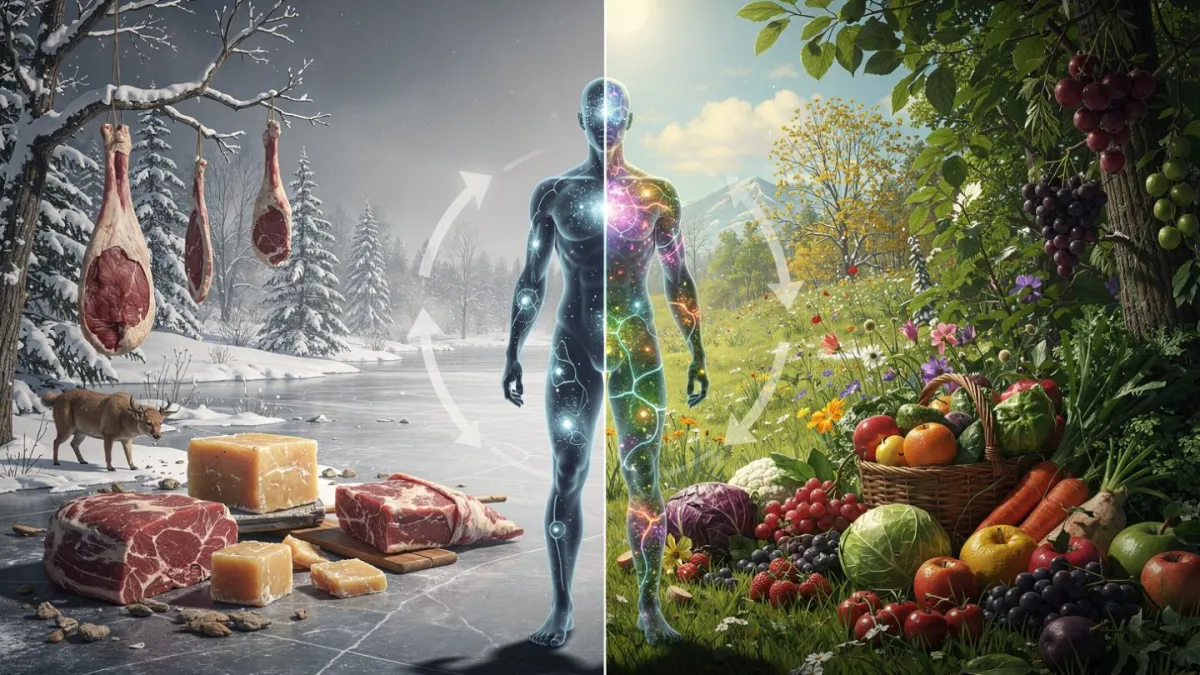
Winter: high fat, low carb intake
Summer: higher carb, plant-rich foods
Periods without food: fasting
This natural variation supported:
Fat burning
Hormone balance
Longevity
Your body is still wired for this pattern today.
The Problem with Modern Eating
Today, most people are stuck in constant “feast mode.”
This leads to:
Elevated insulin
Reduced fat burning
Chronic inflammation
Hormone disruption
Your body never gets the signal to repair.
The Power of Fasting (Famine Phase)
Fasting activates powerful healing mechanisms.
It supports:
Improved insulin sensitivity
Increased growth hormone
Cellular repair
Reduced inflammation
Even short fasting periods can reset key systems in the body.
Intermittent Fasting as a Modern Tool
Intermittent fasting is a practical way to apply the famine phase.
Common approaches include:
Eating within a daily time window
Fasting one day per week
Occasional extended fasts
This allows your body to shift from constant digestion to healing mode.
Ketosis and Fat Burning
During famine phases, your body may enter ketosis.
This means:
Fat becomes the primary fuel source
Stored fat is used for energy
Inflammation decreases
Ketosis is a powerful tool—but it works best when used in cycles, not constantly.
Why Cycling Matters
Staying in one mode too long can backfire.
Too much feasting → fat storage
Too much fasting → metabolic slowdown
Cycling between both keeps your body responsive.
How Diet Variation Breaks Weight Loss Resistance
Weight loss resistance often occurs when your body adapts.
Diet variation disrupts this adaptation.
By cycling between phases, you:
Reset hormone sensitivity
Improve metabolism
Reactivate fat burning
This is why people often see results when they “switch things up.”
The 5-1-1 Method Explained
A practical way to apply diet variation is the 5-1-1 method.
Structure:
5 days: low-carb or ketogenic eating
1 day: fasting
1 day: higher carb or protein intake
This weekly cycle creates constant metabolic adaptation.
Why This Method Works
Each phase has a purpose:
Keto days → burn fat
Fasting day → repair and reset
Feast day → restore hormones
Together, they create balance.
The Role of Hormones
Hormones control fat loss more than calories do.
Diet variation helps regulate:
Insulin (fat storage hormone)
Leptin (satiety hormone)
Thyroid hormones (metabolism)
When these hormones function properly, fat loss becomes easier.
The Stress and Rest Principle
Your body also needs variation in physical activity.
This includes:
Intense exercise (stress)
Recovery periods (rest)
This mirrors the feast-famine cycle and enhances results.
Burst Training for Fat Loss
High-intensity interval training supports:
Increased fat burning
Hormone optimization
Improved efficiency
Short bursts of effort followed by rest create powerful adaptation.
Signs You Need Diet Variation
You may benefit if you:
Feel stuck in your progress
Experience weight loss resistance
Have low energy
Struggle with cravings
These are signs your body has adapted.
Common Mistakes to Avoid
Eating too frequently
Avoiding hunger completely
Staying in one diet too long
Ignoring rest and recovery
Balance is key.
What to Expect When You Start
As your body adapts, you may notice:
Increased energy
Better fat burning
Reduced cravings
Improved mental clarity
These are signs of metabolic flexibility.
The Bigger Picture: Cellular Healing
Diet variation supports healing at the cellular level.
It helps:
Reduce inflammation
Improve mitochondrial function
Support detox pathways
This is where true health begins.
Final Thoughts: Return to Natural Rhythms
Your body was designed for cycles.
Not constant eating. Not constant restriction.
But variation.
The feast or famine approach restores this natural rhythm.
And when you align with how your body was built, healing becomes possible again.
If you want lasting results, stop looking for the perfect diet.
Start creating the right rhythm.