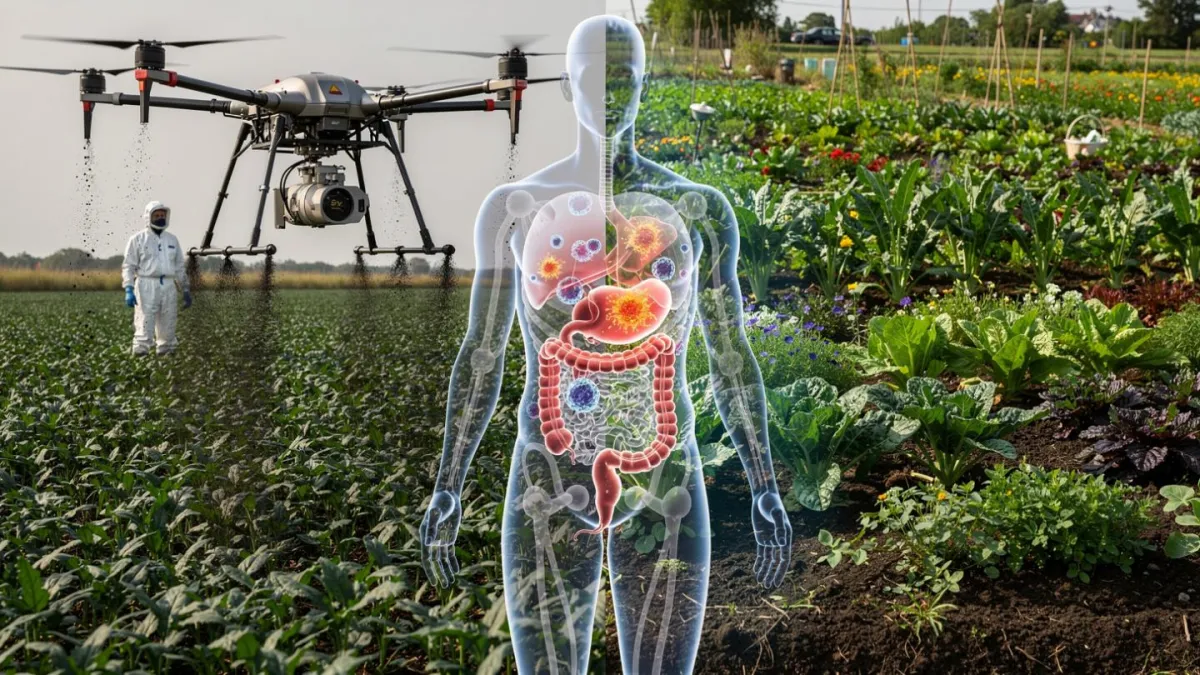
GMO Foods and Health: How Genetically Modified Foods Impact Your Body
Genetically modified organisms (GMOs) have become a major part of the modern food supply.
But what does that mean for your health?
The conversation around GMO foods often focuses on agriculture, sustainability, or food production. But the real concern lies deeper—at the cellular level.
When you understand how GMO foods interact with your body, you begin to see why they are often linked to widespread health challenges.
What Are GMO Foods?
GMO foods are created by altering the genetic structure of plants.
This often involves:
Adding genes from other organisms
Making crops resistant to herbicides
Engineering plants to produce their own pesticides
The most common type of GMO crops are herbicide-tolerant crops, meaning they can survive being sprayed with chemicals designed to kill weeds.
The Glyphosate Connection
One of the biggest concerns with GMO foods is not just the modification itself—but the chemicals used alongside them.
Glyphosate is the active ingredient in many herbicides used on GMO crops.
It is widely present in:
Conventional grains
Processed foods
Environmental exposure (air and water)
And its effects on the body are significant.
How Glyphosate Affects the Body
Glyphosate disrupts the body in several key ways.
1. Mineral Depletion
Glyphosate binds to essential minerals, making them unavailable to the body.
This can interfere with:
Enzyme function
Cellular processes
Nutrient absorption
2. Gut Microbiome Disruption
Your gut bacteria play a critical role in health.
Glyphosate:
Kills beneficial bacteria
Allows harmful bacteria to thrive
Disrupts gut balance
This imbalance can lead to inflammation and digestive issues.
3. Impaired Detox Pathways
Glyphosate interferes with key detox systems in the body.
It affects:
Enzymes involved in toxin removal
The body’s ability to process chemicals
This means other toxins can build up more easily.
4. Endocrine Disruption
Glyphosate can act as a hormone disruptor.
This affects:
Hormone signaling
Metabolism
Reproductive health
Hormonal imbalance is often at the root of many chronic symptoms.
The Link Between GMOs and Chronic Disease
Research and clinical observations suggest connections between GMO exposure and:
Digestive disorders
Hormonal imbalance
Neurological symptoms
Metabolic conditions
One key mechanism is how glyphosate interferes with essential biological pathways.
The Gut Connection: Why It Matters
Your gut is central to your health.
When it becomes compromised:
Nutrient absorption decreases
Inflammation increases
Immune function is disrupted
Glyphosate contributes to this by damaging beneficial bacteria and altering gut integrity.
This can lead to what is often referred to as:
👉 Increased intestinal permeability (leaky gut)
GMOs and Cellular Function
Every cell in your body depends on proper nutrient signaling and balance.
When toxins interfere:
Cell membranes become compromised
Communication between cells is disrupted
Energy production declines
This is why GMO exposure is considered a cellular-level stressor.
Why Exposure Has Increased
GMO use has expanded dramatically over time.
This has led to:
Increased herbicide use
Higher residue levels in food
Greater environmental exposure
In some cases, crops are even sprayed shortly before harvest, increasing chemical residue in the final food product.
The Importance of Food Quality
Not all food is created equal.
Choosing high-quality, clean food reduces exposure to harmful substances.
Prioritize:
Organic produce
Non-GMO foods
Grass-fed and pasture-raised animal products
These choices support:
Cellular health
Detox pathways
Hormone balance
Common Sources of GMO Foods
Many processed foods contain GMO ingredients.
Common sources include:
Corn
Soy
Canola
Sugar (from sugar beets)
These ingredients are often hidden in packaged foods.
How to Reduce Your Exposure
You don’t need to be perfect—but intentional choices matter.
Simple Steps:
Choose organic when possible
Avoid highly processed foods
Read ingredient labels
Focus on whole, real foods
These changes reduce your overall toxic burden.
The Bigger Picture: Toxic Load and Health
Your body can handle some toxins.
But when exposure exceeds your ability to detox:
Symptoms appear
Systems become overwhelmed
Healing slows
Reducing GMO exposure is one piece of lowering that burden.
Common Signs of Toxic Overload
You may notice:
Fatigue
Brain fog
Digestive issues
Hormonal imbalance
Inflammation
These symptoms often have deeper root causes.
Final Thoughts: Protecting Your Cells Starts with Your Plate
Your body was designed to heal.
But it needs the right environment to do so.
When you:
Reduce exposure to harmful substances
Support your gut
Nourish your cells
You create the conditions for true healing.
Because every bite of food is information for your body.
And when you choose wisely, you support your health at the deepest level—the cell.