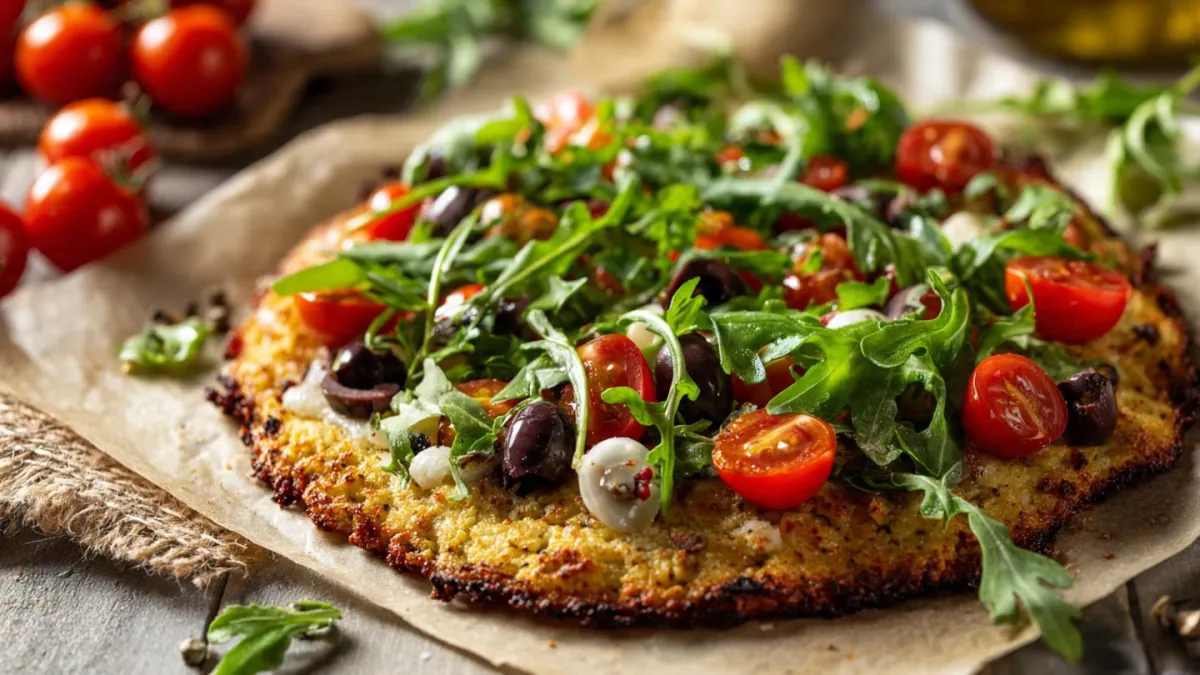
Cauliflower Pizza Crust Recipe | Healthy Grain-Free Pizza Crust
If you’re looking for a nourishing way to enjoy one of your favorite comfort foods, this cauliflower pizza crust recipe is a powerful place to start.
Your body was designed to heal—and the foods you choose either support that process or work against it. Traditional pizza crusts are often loaded with refined grains, inflammatory oils, and ingredients that can disrupt gut health and cellular function.
This version does the opposite.
It’s simple, nutrient-dense, and designed to support your body at the cellular level—without sacrificing flavor or satisfaction.
Why Choose a Cauliflower Pizza Crust?
At the core of cellular healing is one principle: reduce the burden on the body while increasing nutrient availability.
A traditional pizza crust can:
Spike blood sugar
Feed inflammation
Disrupt gut balance
Contribute to fatigue and sluggish digestion
This cauliflower pizza crust recipe offers a completely different experience.
Benefits of a Cauliflower-Based Crust
Grain-free and gluten-free → supports gut healing
Low in carbohydrates → stabilizes blood sugar
Rich in antioxidants → supports detox pathways
High in fiber → feeds beneficial gut bacteria
Cauliflower itself is a powerful vegetable for detoxification. It contains compounds that support the liver’s natural ability to process and eliminate toxins.
This is how food becomes functional—not just fuel, but a tool for healing.
Ingredients: Simple, Clean, and Intentional
One of the most powerful aspects of this recipe is its simplicity.
What You’ll Need
3 cups uncooked cauliflower rice (fresh or frozen)
2 large pasture-raised eggs
3 tablespoons coconut flour
1 teaspoon baking powder
1 teaspoon garlic powder
1 teaspoon oregano
½ teaspoon sea salt
Your favorite pizza toppings
Each ingredient plays a role—not just in texture and taste, but in how your body responds.
Ingredient Breakdown for Cellular Support
Cauliflower
Supports detoxification pathways and provides fiber for gut health.
Pasture-raised eggs
Rich in healthy fats and protein, supporting hormone balance and cellular repair.
Coconut flour
A low-glycemic alternative that supports stable blood sugar levels.
Garlic and oregano
Contain natural antimicrobial properties that support gut balance.
Sea salt
Provides trace minerals essential for cellular function.
When you begin to see food this way, everything changes.
Step-by-Step Instructions
This cauliflower pizza crust recipe is straightforward, but each step matters for the final result.
1. Preheat Your Oven
Set your oven to 425°F (218°C).
Line a baking sheet with parchment paper.
If using a pizza stone, place it in the oven while it preheats (no parchment needed).
2. Cook the Cauliflower Rice
On the stovetop:
Add the cauliflower rice to a pan
Add a small amount of water (a few tablespoons for fresh, minimal or none for frozen)
Cook until just tender
Avoid overcooking. You want it softened—not mushy.
3. Remove Excess Moisture (Critical Step)
This step determines whether your crust is firm or soggy.
Let the cauliflower cool slightly
Transfer to a clean kitchen towel
Squeeze out as much water as possible
Be thorough here. The drier the cauliflower, the better the crust.
4. Mix the Ingredients
In a large bowl, combine:
Squeezed cauliflower
Eggs
Coconut flour
Baking powder
Garlic powder
Oregano
Sea salt
Mix thoroughly until well combined.
You should have a slightly sticky, moldable mixture.
5. Form the Crust
On your prepared baking surface:
Press the mixture into a round crust
Aim for about 8–9 inches in diameter
Keep thickness even throughout
Thinner edges will crisp better, while the center should remain sturdy.
6. Bake the Crust
Place in the oven and bake for:
12–15 minutes at 425°F
You’re looking for:
Golden brown edges
A firm base
No sogginess in the center
This is where the transformation happens.
7. Add Toppings and Finish Baking
Remove the crust from the oven and add your favorite toppings.
Return to the oven briefly to:
Melt cheese (if using)
Warm toppings
Keep it simple and clean to maintain the cellular health benefits.
8. Cool, Slice, and Serve
Let the pizza cool for a minute or two.
Slice and enjoy.
Best Toppings for Cellular Health
What you put on top matters just as much as the crust.
To stay aligned with a cellular healing approach, focus on:
Clean Protein Options
Pasture-raised chicken
Grass-fed beef
Nitrate-free sausage
Healthy Fats
Avocado
Olive oil drizzle
Dairy-free cheese alternatives
Vegetables (Load Them Up)
Spinach
Arugula
Mushrooms
Bell peppers
Zucchini
Fresh Herbs
Basil
Oregano
Parsley
These toppings provide micronutrients that support mitochondrial function and energy production.
Common Mistakes to Avoid
Even a simple recipe can go wrong if key steps are skipped.
1. Not Removing Enough Moisture
This is the most common issue.
If your crust is soggy, it’s almost always due to excess water in the cauliflower.
2. Overcooking the Cauliflower
Too much cooking leads to a mushy texture that won’t hold together well.
3. Making the Crust Too Thick
A thicker crust won’t crisp properly.
Aim for balance—thin enough to crisp, thick enough to hold toppings.
4. Using Low-Quality Ingredients
Quality matters.
Choose:
Organic cauliflower
Pasture-raised eggs
Clean, additive-free seasonings
Your body recognizes the difference.
How This Recipe Supports Cellular Healing
This isn’t just about making a healthier pizza.
It’s about shifting how you nourish your body.
Supports Detoxification
Cruciferous vegetables like cauliflower help activate detox pathways in the liver.
Balances Blood Sugar
Low-carb ingredients prevent spikes and crashes, supporting steady energy.
Reduces Inflammation
Removing gluten and processed grains lowers inflammatory load.
Supports Gut Health
Fiber and antimicrobial herbs help balance the microbiome.
Fuels Mitochondria
Clean proteins and healthy fats support energy production at the cellular level.
Making This Recipe Part of Your Lifestyle
Healing doesn’t happen from one meal—it comes from consistent choices.
This cauliflower pizza crust recipe is a perfect example of how you can:
Enjoy your favorite foods
Stay aligned with your health goals
Support your body’s natural healing processes
You don’t have to give things up—you just need to upgrade them.
Variations to Try
Once you’ve mastered the base recipe, you can experiment.
Dairy-Free Version
Use dairy-free cheese or skip it entirely and focus on whole-food toppings.
Keto-Friendly Version
Keep toppings low-carb and increase healthy fats like olive oil or avocado.
Herb-Infused Crust
Add:
Basil
Thyme
Rosemary
directly into the crust mixture for added flavor and benefits.
Spicy Version
Add:
Red pepper flakes
Chili powder
to enhance circulation and metabolism.
Final Thoughts
Your body was designed to heal.
Every meal is an opportunity to either support that process—or interfere with it.
This cauliflower pizza crust recipe is more than just a substitute for traditional pizza. It’s a shift toward intentional nourishment, where every ingredient serves a purpose.
You’re not just eating differently—you’re supporting:
Your cells
Your energy
Your long-term vitality
And the best part?
You don’t have to sacrifice the foods you love to do it.
Enjoy your healing, one bite at a time.