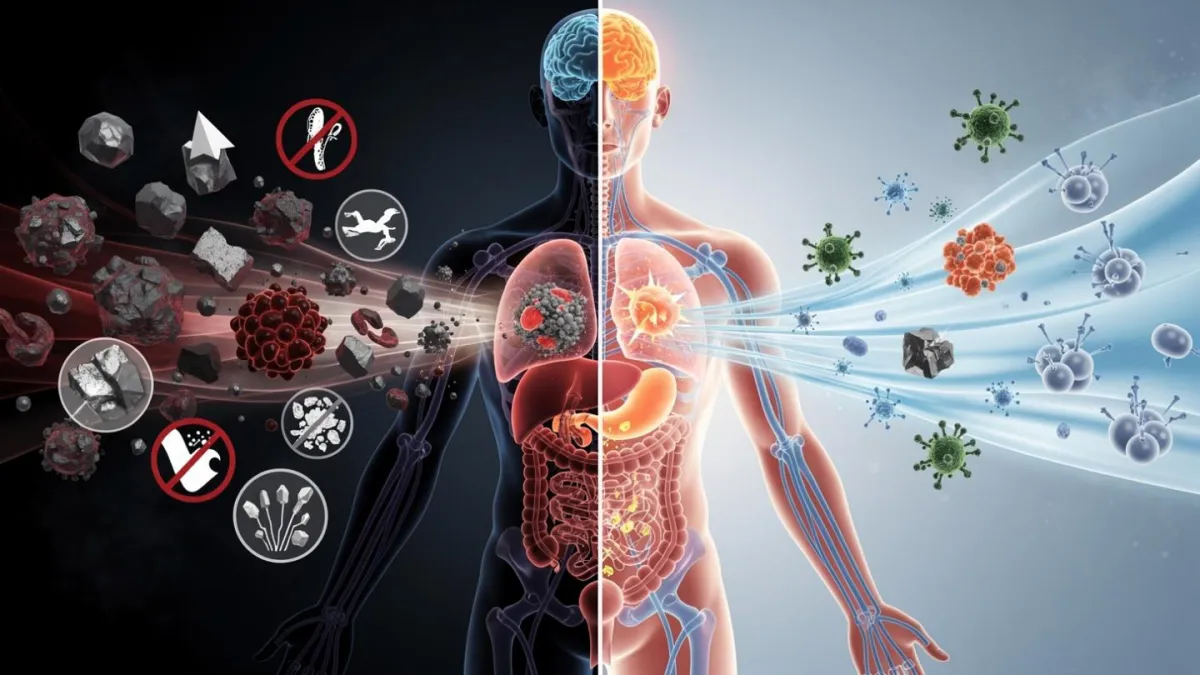
Heavy Metal Toxicity and Weight Loss: Why You Can’t Lose Weight
Struggling to lose weight despite doing everything “right”?
You may be missing a critical piece of the puzzle:
👉 Heavy metal toxicity
Toxic metals like mercury and lead can silently interfere with your body’s ability to burn fat, regulate hormones, and detox effectively.
Until these toxins are addressed, weight loss can feel nearly impossible.
What Is Heavy Metal Toxicity?
Heavy metals are toxic elements that accumulate in the body over time.
Common sources include:
Amalgam dental fillings
Seafood
Drinking water
Cookware
Personal care products
Environmental exposure
These metals don’t just pass through your body.
They bioaccumulate—meaning they build up inside your cells.
How Heavy Metals Affect the Body
Heavy metals disrupt your body at the deepest level: the cell.
They:
Interfere with cellular communication
Damage mitochondria (energy production)
Block detox pathways
Increase oxidative stress
This creates a state where your body cannot function properly.
The Link Between Heavy Metals and Weight Loss Resistance
One of the most overlooked effects of heavy metal toxicity is:
👉 Weight-loss resistance
Even with:
Clean eating
Exercise
Calorie control
Your body may refuse to lose weight.
Why This Happens
Heavy metals:
Disrupt hormone signaling
Block fat burning
Impair metabolism
One key hormone affected is leptin.
Leptin tells your brain to burn fat.
When toxins interfere with leptin signaling:
👉 Your body stops burning fat efficiently
Detox Pathways Become Blocked
Your body is designed to detox.
But heavy metals can:
Overload detox systems
Slow elimination
Cause toxins to accumulate
When detox pathways are blocked:
Fat loss stops
Inflammation increases
Energy decreases
The Cellular Connection
Your cells must be able to:
Release toxins
Produce energy
Communicate properly
Heavy metals impair all three.
This is why weight loss must be approached at the cellular level.
Common Symptoms of Heavy Metal Toxicity
You may experience:
Fatigue
Brain fog
Depression
Joint pain
Digestive issues
Hormonal imbalance
Weight-loss resistance
These symptoms often appear together.
Why Most Detox Methods Fail
Heavy metals are difficult to remove.
Incorrect detox approaches can:
Mobilize toxins without removing them
Cause redistribution
Worsen symptoms
This is why detox must be done properly.
The Importance of Testing First
Before starting any detox:
👉 Testing is essential
This helps determine:
If heavy metals are present
Which metals are involved
The severity of toxicity
Working with a trained practitioner is critical.
What Is Chelation Therapy?
Chelation is a method used to remove heavy metals from the body.
It uses compounds that:
Bind to metals
Escort them out of the body
A true chelator—such as DMSA [insert affiliate link]—is required for effective removal.
Why Proper Timing Matters
Chelation must follow a precise schedule.
This prevents:
Reabsorption of toxins
Redistribution into tissues
Increased toxicity
For example:
On-cycle: consistent dosing for several days
Off-cycle: rest period for recovery
This cycle allows safe and gradual detoxification.
The Role of Glutathione
Glutathione is your body’s most powerful antioxidant.
It:
Protects cells
Supports detox
Helps remove heavy metals
Maintaining glutathione levels is essential during detox.
Opening Detox Pathways First
Before detox begins, your body must be prepared.
Key pathways include:
Liver
Kidneys
Gut
Lymphatic system
If these aren’t functioning properly, detox can backfire.
The Brain Detox Phase
After initial detox, deeper cleansing begins.
This phase targets:
Brain tissue
Nervous system
Stored toxins
This is often where people begin to notice:
Improved clarity
Better mood
Weight loss
How Long Does Detox Take?
Heavy metals accumulate over years—sometimes decades.
Detox is not a quick process.
On average:
1–2 years for full detox
Progress happens gradually.
Patience is key.
Why Weight Loss Happens After Detox
Once heavy metals are removed:
Hormones rebalance
Detox pathways function
Fat burning resumes
This is when the scale finally starts to move.
Common Mistakes to Avoid
Skipping testing
Using weak detox methods
Detoxing too aggressively
Not supporting detox pathways
Proper guidance makes all the difference.
The Bigger Picture: Root-Cause Healing
Weight loss is not just about calories.
It’s about removing interference.
Heavy metals are a major source of that interference.
When you:
Remove toxins
Support your cells
Restore balance
Your body can finally do what it was designed to do.
Final Thoughts: Why the Scale Won’t Budge
If you’ve been stuck despite your efforts, it’s not a lack of discipline.
It may be a toxic burden.
Heavy metal detox—done correctly—can unlock:
Fat loss
Energy
Hormonal balance
Overall health
Because when your cells are free from toxins, your body becomes free to heal.
And that’s when real, lasting weight loss begins.