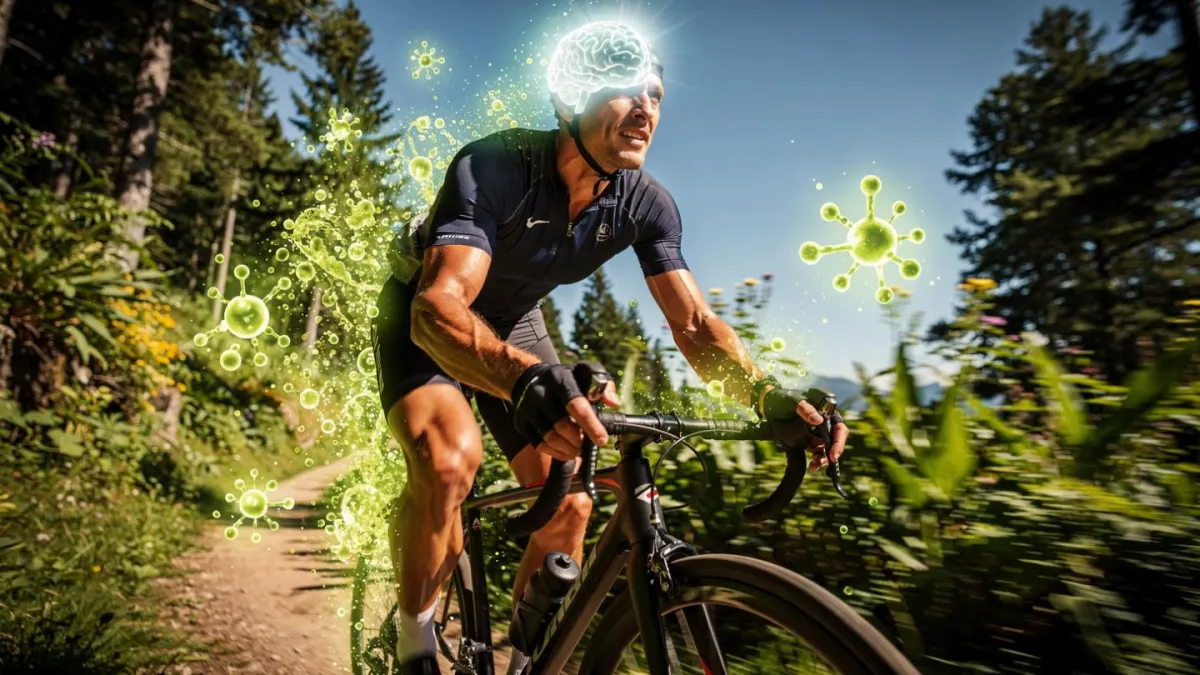
Ketogenic Diet for Athletes: Burn Fat, Boost Endurance, and Improve Performance
For decades, athletes have been told one thing:
👉 You need carbohydrates to perform.
But what if that’s not entirely true?
A growing body of evidence—and real-world performance—shows that athletes can thrive on a fat-based metabolism. By shifting the body from sugar-burning to fat-burning, endurance, stability, and long-term health can dramatically improve.
The Myth of High-Carb Performance
Traditional sports nutrition promotes:
Energy gels
Carb loading
Frequent fueling
While this may provide quick bursts of energy, it comes at a cost:
Blood sugar spikes and crashes
Increased inflammation
Digestive distress
Long-term metabolic strain
Many athletes experience fatigue, gut issues, and even chronic health problems despite being “fit.”
The Fat-Burning Athlete
A fat-adapted athlete uses fat—not sugar—as their primary fuel.
This shift allows the body to:
Access nearly unlimited energy stores
Maintain steady energy output
Reduce reliance on frequent eating
This is especially valuable in endurance sports.
What Happens When You Become Fat-Adapted?
When the body adapts to burning fat:
Fat oxidation increases significantly
Glycogen is preserved
Energy becomes more stable
Studies show that fat-adapted individuals can burn more fat per minute during exercise compared to those on high-carb diets.
This changes how the body performs under stress.
Endurance Without Constant Fueling
One of the most powerful benefits of fat adaptation is sustained energy.
Athletes can:
Train for hours without eating
Avoid energy crashes
Maintain consistent performance
This reduces dependence on external fuel sources during activity.
Reduced Oxidative Stress and Inflammation
High carbohydrate intake can increase:
Oxidative stress
Free radical production
Cellular damage
Fat metabolism produces less of this stress.
This leads to:
Improved recovery
Reduced inflammation
Better long-term health
The Role of Intermittent Fasting
Intermittent fasting enhances fat adaptation.
It helps:
Train the body to use fat for fuel
Improve metabolic flexibility
Support cellular repair
Many athletes incorporate daily fasting windows or occasional longer fasts.
Why Fat Adaptation Takes Time
Becoming a fat burner doesn’t happen overnight.
It can take:
Several weeks for initial adaptation
Months for full efficiency
Up to a year for peak fat-burning capacity
Patience is key.
The Importance of Diet Quality
A successful high-fat approach is not just about eating more fat.
It’s about eating the right foods.
Key Components:
Healthy fats (avocados, coconut oil, olive oil)
Moderate protein
High intake of plant-based nutrients
Plant foods provide:
Fiber
Micronutrients
Support for gut health
Why Plants Still Matter
A common mistake is removing plants from a high-fat diet.
This can lead to:
Poor gut health
Imbalanced markers
Reduced performance
A well-structured approach includes:
Large salads
Nutrient-dense smoothies
Variety in plant intake
This supports both performance and long-term health.
Balancing Performance and Longevity
The goal isn’t just to perform better today.
It’s to:
Maintain performance long-term
Protect cellular health
Reduce disease risk
Fat adaptation supports both performance and longevity.
Diet Variation for Athletes
Even with a fat-based approach, variation is key.
Athletes can benefit from:
Cycling in and out of ketosis
Adjusting carb intake based on activity
Incorporating fasting strategically
This prevents adaptation and supports continued progress.
Common Mistakes to Avoid
Going zero-carb instead of low-carb
Eating too much protein
Ignoring plant intake
Expecting immediate results
Balance and consistency matter.
Signs You’re Becoming Fat-Adapted
You may notice:
Stable energy levels
Reduced hunger
Improved endurance
Better mental clarity
These are signs your metabolism is shifting.
What This Means for Everyday Health
You don’t have to be an athlete to benefit.
Fat adaptation can help with:
Weight loss resistance
Brain function
Hormone balance
Energy levels
This is about improving how your body functions at its core.
The Bigger Picture: Cellular Energy
At the cellular level, this approach:
Improves mitochondrial efficiency
Reduces oxidative stress
Supports detox pathways
This is where real healing happens.
Final Thoughts: Rethinking Fuel
The idea that carbs are required for performance is being challenged.
Fat is a powerful, efficient fuel.
And when your body learns to use it well, everything changes.
You gain:
Endurance
Stability
Resilience
Not just in performance—but in health.
Because when your cells have the right fuel, they perform at their best.