Ketogenic Diet Guide: Burn Fat, Reduce Inflammation, and Support Cellular Health
The ketogenic diet has quickly become one of the most talked-about approaches in modern health—and for good reason.
It offers a powerful way to burn fat, improve energy, and support healing at the cellular level.
But beyond the hype, the ketogenic diet is not just another trend. It’s a strategic tool that changes how your body produces energy.
And when you change cellular energy, everything changes.
What Is the Ketogenic Diet?
The ketogenic diet is a high-fat, moderate-protein, and very low-carbohydrate way of eating.
Typically, it includes:
70–80% fat
15–30% protein
5–10% carbohydrates
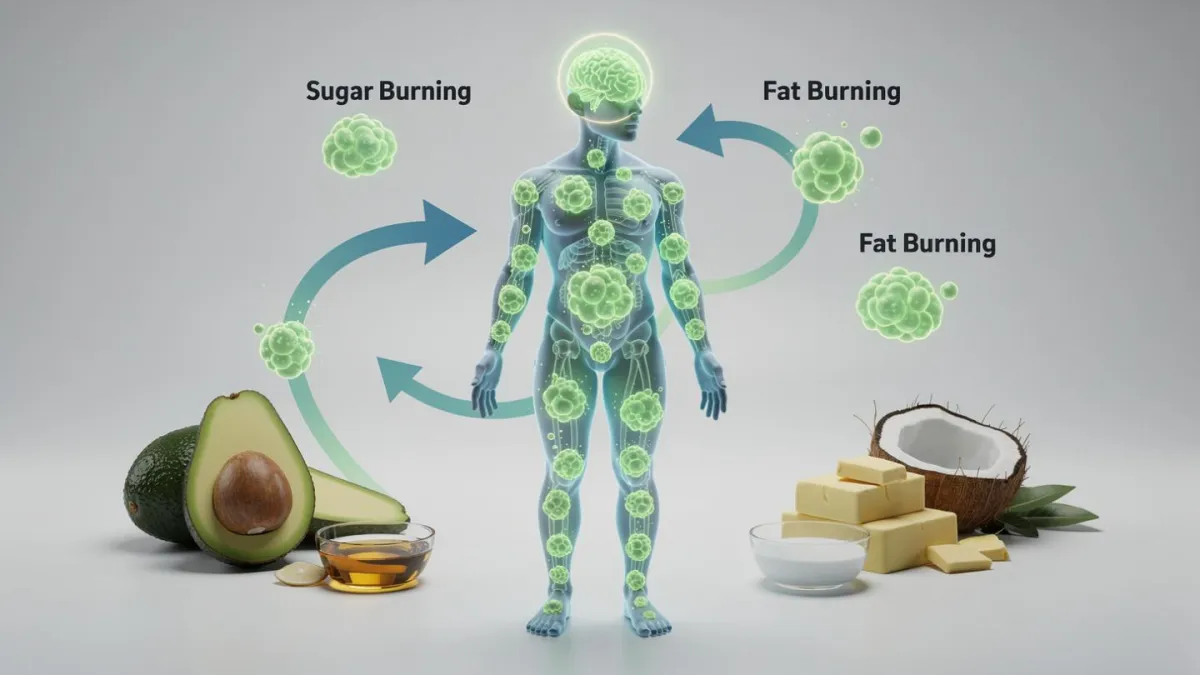
This shift in macronutrients forces your body to move away from burning sugar and instead burn fat for fuel—a state known as ketosis.
What Happens in Ketosis?
When carbohydrate intake is low, your body produces molecules called ketones.
These are created when fat is broken down for energy.
Ketones become a primary fuel source for:
The brain
Muscles
Cells throughout the body
This creates a metabolic shift from sugar-burning to fat-burning.
Why the Ketogenic Diet Works
The ketogenic diet works because it addresses energy production at the cellular level.
1. It Turns You Into a Fat Burner
Your body can run on either:
Glucose (sugar)
Fat (ketones)
Most people are stuck in sugar-burning mode.
Keto flips that switch.
Once in ketosis, your body begins using stored fat for energy—leading to fat loss.
2. It Reduces Cellular Inflammation
Sugar burns as a “dirty fuel,” producing more waste and oxidative stress.
Fat burns cleaner.
This means:
Less cellular damage
Reduced inflammation
Improved overall function
This is one of the key reasons keto supports healing.
3. It Supports Hormone Balance
Hormone receptors are located on cell membranes.
When inflammation is reduced and membranes are healthy:
Hormone signaling improves
Fat burning becomes more efficient
Energy stabilizes
This is especially important for those dealing with weight loss resistance.
The Importance of Healthy Fats
Fat is the foundation of the ketogenic diet.
But not all fats are equal.
Focus on Healing Fats
Coconut oil
MCT oil [insert affiliate link]
Grass-fed butter
Olive oil
Animal fats from clean sources
These fats help:
Repair cell membranes
Reduce inflammation
Support brain function
Avoid Toxic Fats
Hydrogenated oils
Processed vegetable oils
Trans fats
These damage cells and disrupt metabolism.
Why Protein Must Be Moderate
Many people assume keto is high protein—but that’s not accurate.
Too much protein can:
Convert into glucose (via gluconeogenesis)
Disrupt ketosis
Slow fat burning
Moderate protein intake is essential for success.
Benefits of the Ketogenic Diet
When done correctly, the ketogenic diet can support:
Fat loss (especially belly fat)
Stable blood sugar
Reduced cravings
Improved brain function
Hormone balance
Reduced inflammation
It has also been studied for its role in supporting conditions like metabolic syndrome and neurological disorders.
How Long Does It Take to Enter Ketosis?
Most people enter ketosis within:
2–3 weeks
However, full adaptation can take longer depending on:
Metabolic health
Hormone balance
Past diet
Consistency is key during this phase.
Signs You’re in Ketosis
You may notice:
Reduced hunger
Increased energy
Mental clarity
Fat loss
For accuracy, ketone levels can be measured using a blood meter.
Accelerating Keto Adaptation
To support the transition:
Gradually reduce carbohydrates
Increase healthy fat intake
Stay hydrated
Support electrolyte balance
MCT oil [insert affiliate link] can also help speed up ketone production.
The Role of Fasting in Keto
Fasting can enhance ketosis.
It helps:
Deplete glycogen stores
Increase fat burning
Support detox pathways
However, fasting works best once you are keto-adapted.
Avoiding Common Keto Plateaus
Over time, your body adapts—even to keto.
Common plateau causes include:
Hidden carbohydrates
Too much protein
Not enough fat
Overtraining
Food sensitivities
When this happens, variation becomes important.
The 5-1-1 Strategy
A powerful way to maintain results is the 5-1-1 approach:
5 days ketogenic diet
1 day fasting
1 day carb or protein refeed
This prevents adaptation and supports continued fat loss.
Is the Ketogenic Diet Right for Everyone?
The ketogenic diet is a tool—not a permanent requirement for everyone.
It may be especially helpful for:
Weight loss resistance
Hormone imbalance
Neurological concerns
Chronic inflammation
However, some individuals may do better cycling in and out of ketosis.
The Bigger Picture: Cellular Healing
The ketogenic diet works because it supports the cell.
It:
Improves mitochondrial function
Reduces oxidative stress
Enhances detoxification
Restores energy production
And healing always begins at the cellular level.
Final Thoughts: Fuel Determines Function
Your body responds to the fuel you provide.
When you shift from sugar to fat:
Energy stabilizes
Inflammation decreases
Fat loss becomes possible
The ketogenic diet is one of the most powerful tools to make that shift.
But like any tool, it works best when used strategically.
Because when you support your cells, you support your entire body.
And that’s where real healing begins.